Birding Etiquette and Ethics: Have Fun and Be Safe
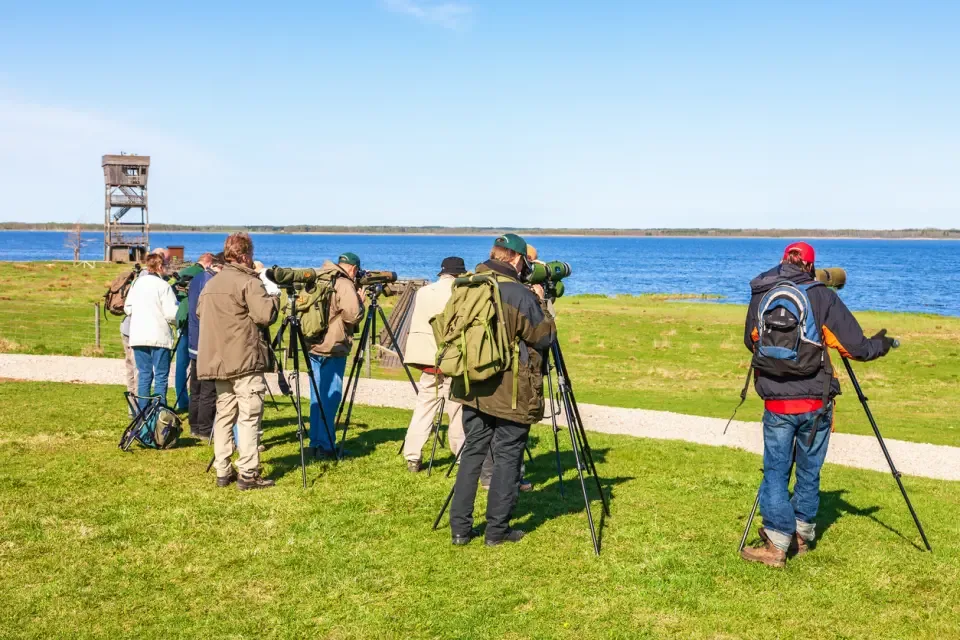
Birding presents tons of fun for those interested in the winged, egg-laying section of the animal kingdom. To make sure you and all the other birders out there can enjoy this hobby to the maximum, everyone should follow birding etiquette and ethics. These simple sets of guidelines aren’t just about how to interact with your fellow birders when out on the field, but also how to behave around birds and how to work with any other outdoor enthusiasts who share the same forests and ponds. Is Birding Etiquette the Same as Birding Ethics? This may come as a surprise to many birders, but birding etiquette andbirding ethicsare two different things. Granted, both are a bunch of rules that aim to ultimately make our beloved hobby consistently enjoyable for peopleandbirds, but they don’t exactly address the same aspects of birding. Author Note:To put it simply, birding etiquette is mainly concerned with how fellow birders should interact while birding ethics is primarily focused on the birders’ responsibility towards the natural world including the birds, their habitats, their behavior, and their food. We’ll be explaining the two concepts more thoroughly down below. What is Birding Etiquette? When it comes to birding in a group setting, one should respect certain considerations that concern not only the birds and wildlife but also fellow birders in your group. Following this birding etiquette ensures that you and those around you will have a positive, fun, and rewarding experience. Ask any wildlife enthusiast and they’ll tell you: noise is the number one disturbance to animals in nature. Birds are no exception, so you should really keep voices down especially if we’re talking about a group setting where even a conversation between two members can be loud enough to chase away nearby birds. So if you want to make
Birding presents tons of fun for those interested in the winged, egg-laying section of the animal kingdom.