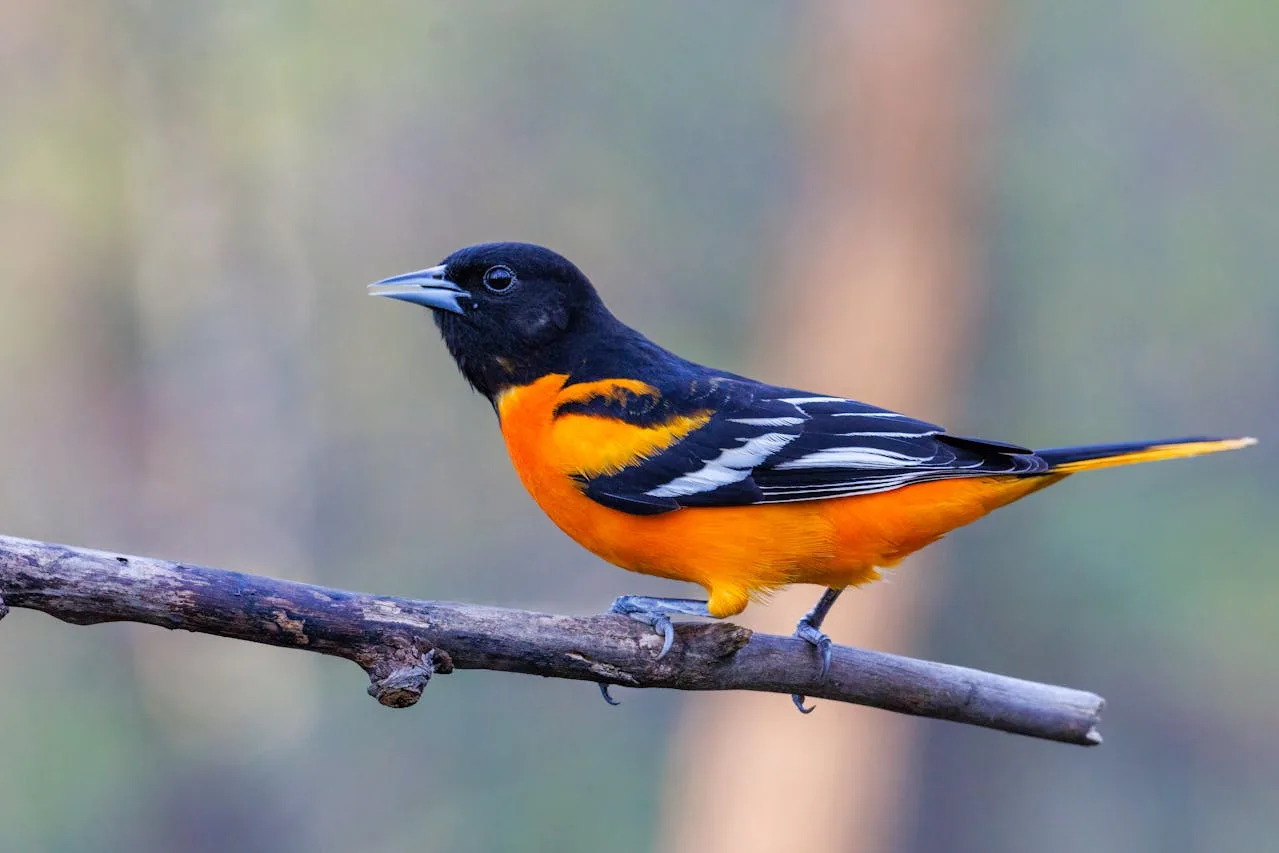
Do Birds and Squirrels Get Along? Forest Friends or Foes
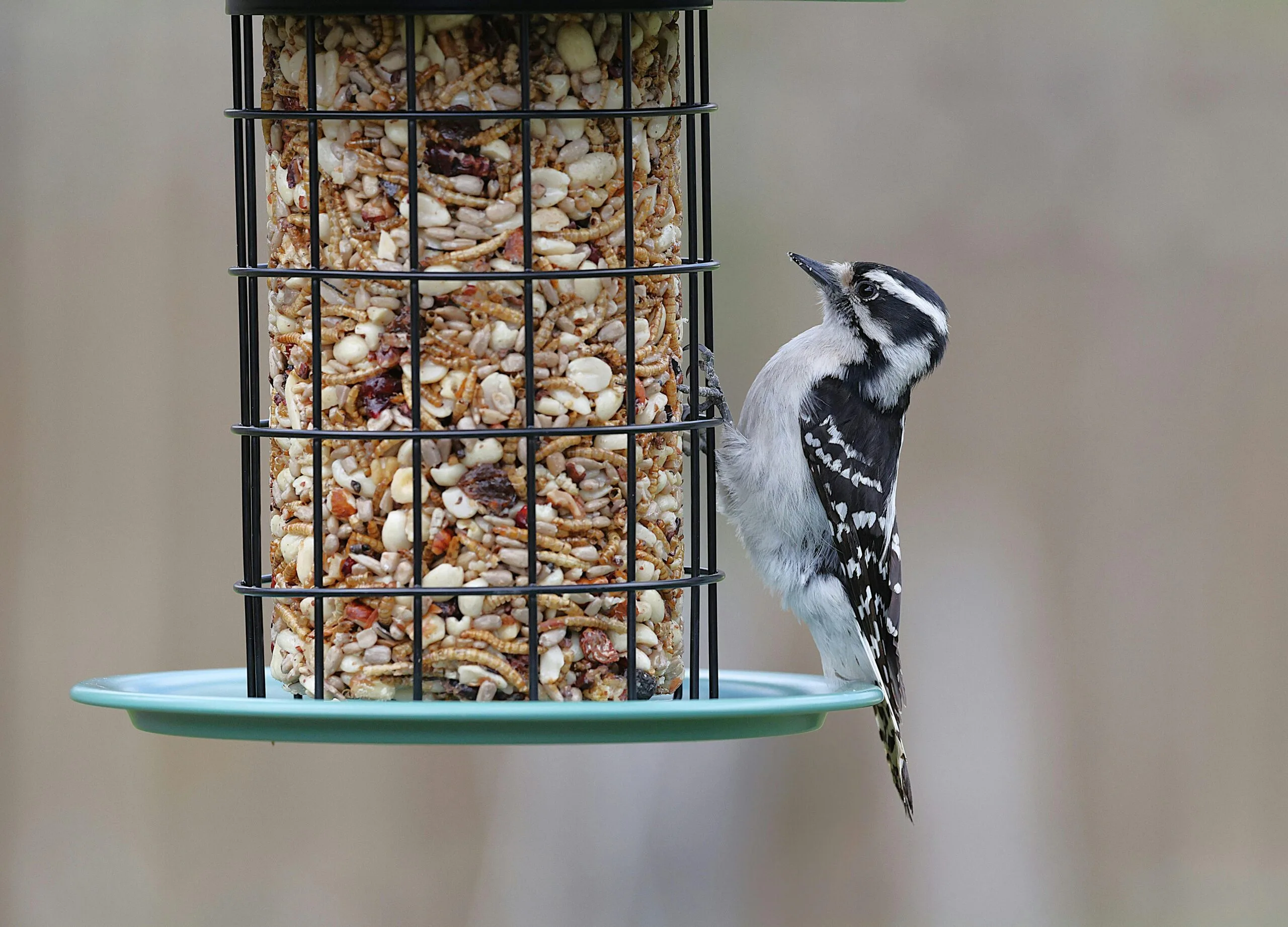
Squirrels are fantastic acrobats and will go to great lengths to get what they want. Birdseed and nuts are among their favorite meal options. If you want to attract birds but deter squirrels, you have to be creative in order to outsmart the furry little geniuses. But do birds and squirrels get along? The short answer is yes – unless they are fighting over food. One thing that birds and squirrels have in common is that they both love to eat birdseed. Due to this reason, there may be some regular battles at bird feeders if you have a lot of squirrels in the area. These battles do not have equal matching contenders.Squirrelsare larger than most backyard birds. The birds are scared off, and the squirrels are left to hog all the seeds. Squirrels can jump more than 10 feet and are exceptional climbers and diggers. They are very intelligent, learn quickly, and will persist until they succeed. Squirrels will even claw and chew through wooden and plastic feeders to indulge in their feathered friends’ feed. Squirrels and Birdfeeders Good quality birdseed is just as appealing to squirrels as is it to birds. Black oil sunflower seeds, nuts, and suet are popular options for both birdsand squirrels. Squirrels are cute and fluffy andcan be quite entertaining. Some people may welcome these furry mammals to their backyard. Many bird watchers will enjoy the occasional visit from a squirrel, but some may regard them as unwanted pests. Most birds are accommodating to other birds and may share feeders with many different bird species. Squirrels, on the other hand, can have voracious appetites and dominating attitudes. They are greedy and will chase away the birds before devouring all the food. Often they will leave the feeder utterly empty with nothing left for the
Squirrels are fantastic acrobats and will go to great lengths to get what they want.
Deal coverage is a strange genre — half journalism, half buyer’s guide. The honest version of it asks whether a discount represents an actual change in value, or simply a return to a price the product should have been at all along.
For household hardware — vacuums, desks, fans, and the like — the long-term cost of ownership usually comes down to consumables, replacement parts, and how the manufacturer treats products a few years after launch. A deep discount on something that becomes disposable in eighteen months is rarely a bargain.
When the discount is genuine, our guidance is consistent: confirm the recent price history, check the warranty terms, and only pull the trigger if the product solves a problem you actually have.