Hawks versus Eagles
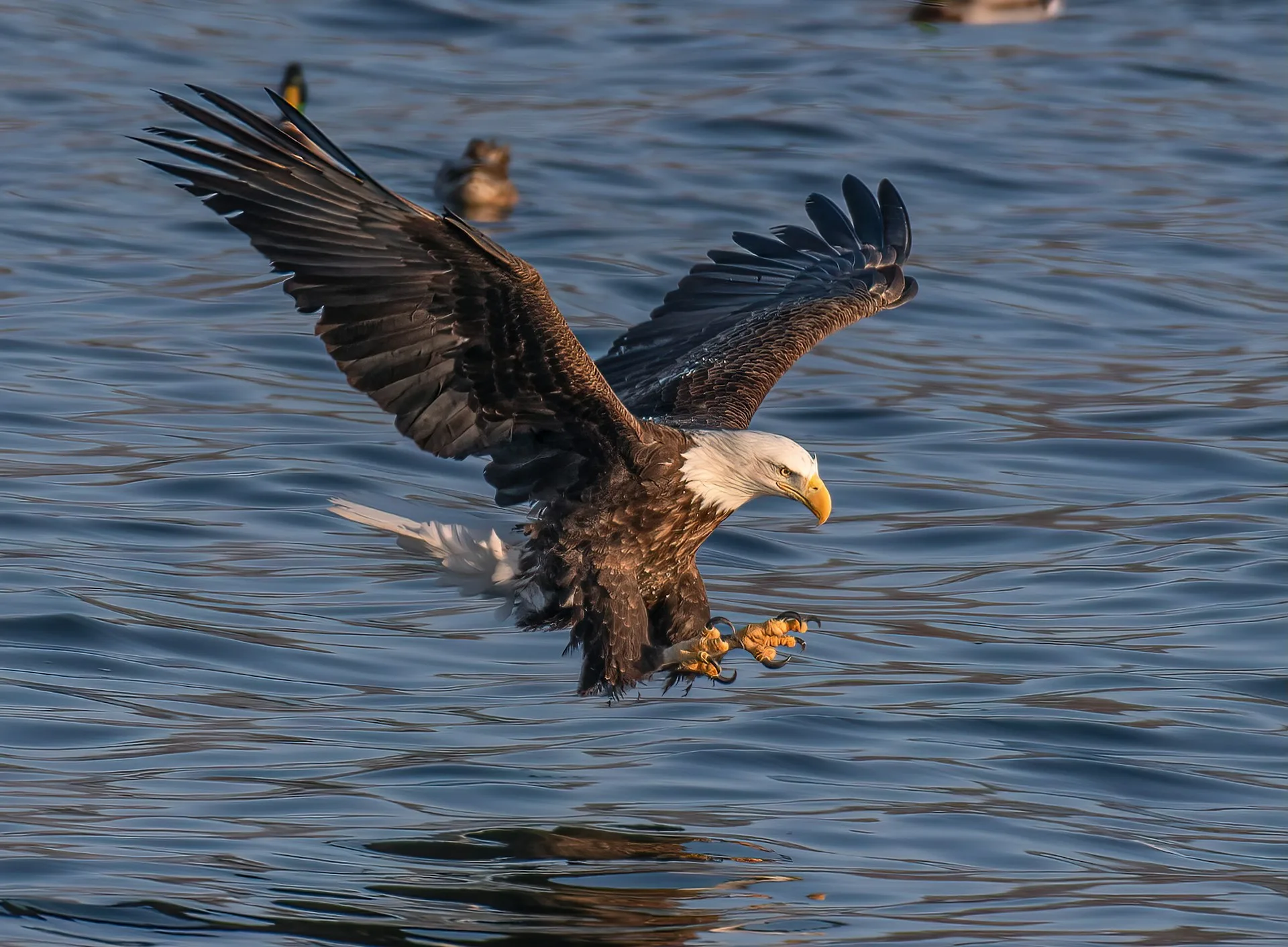
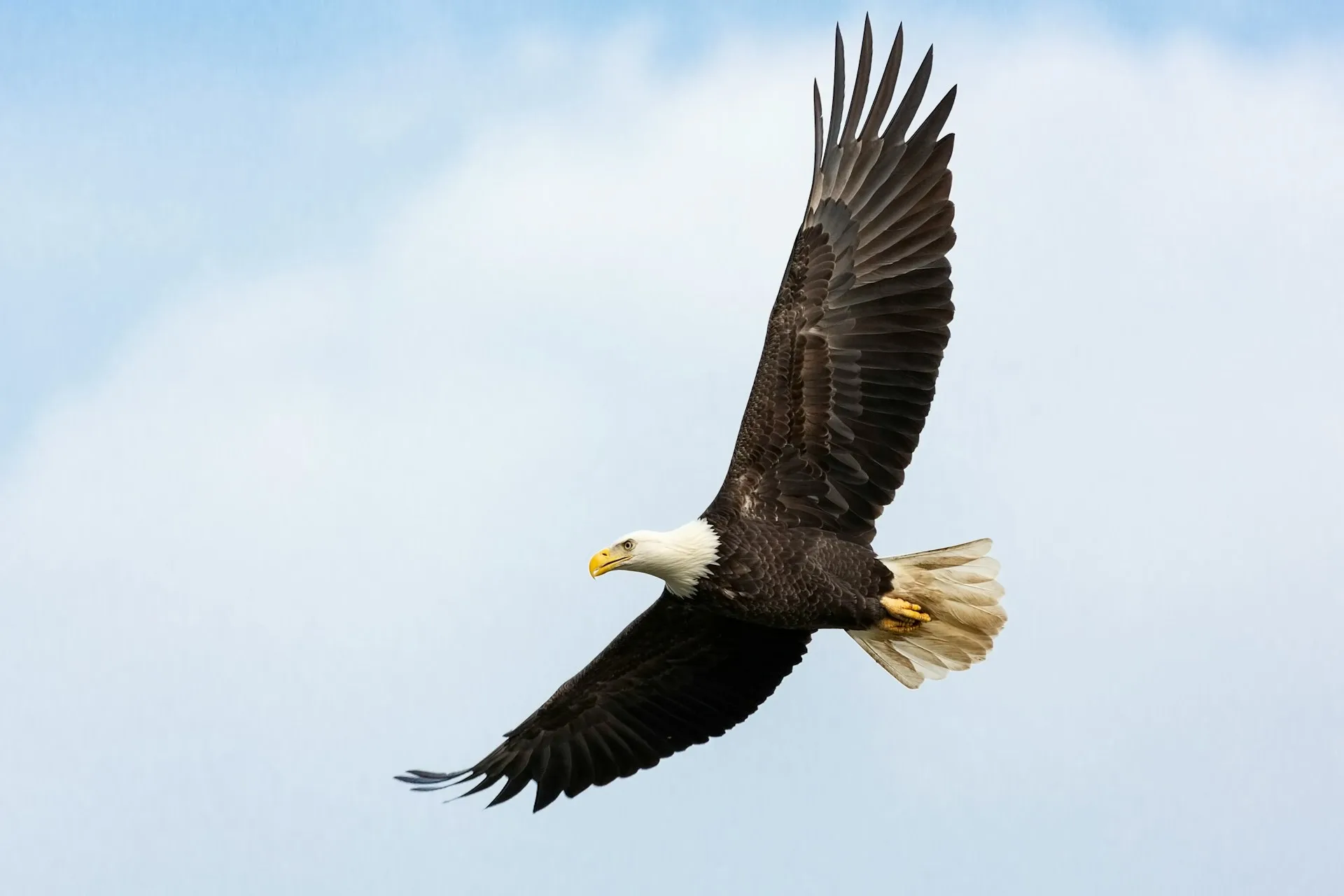
Sometimes it is difficult to identify birds of prey in the air. This is particularly true if there are no other birds around to help judge the size of it. Being backlit so the underside is in shade complicates things further. In this guide we look at the differences between eagles and hawks and offer a few pointers to help distinguish between them. The Accipitridae Family The Accipitridae family contains Hawks, Kites, Eagles and Allies. So, we already know that hawks and eagles are related. According to the American Birding Association, there are 4 species of eagle and 20 species of hawk. Some of these are common and some, very rare. The four species of eagle in the United States are: Steller’s Sea-Eagle White-tailed Eagle The last 2 species are irregular visitors to the country but the Bald and Golden Eagles can be commonly seen across certain states. Golden Eagle (Aquila chrysaetos) The Golden Eagle is a large ‘booted’ eagle, meaning that is has feathers all the way down its legs. It has dark brown, variable plumage. Thegoldenin the name refers to a paler patch of feathers across the nape of the neck. At times it may not be visible. It has a large, hooked bill. Length: 27.6-33.1 in (70-84 cm) Weight: 105.8-216.1 oz (3000-6125 g) Wingspan: 72.8-86.6 in (185-220 cm) The Golden Eagle can be found across most of the U.S. as shown in the Range Map below. It is not contained to North America, but can be found across much of the Northern Hemisphere. The Bald Eagle is a fish eagle, meaning that it primarily hunts and eats fish. It has a more uniform dark brown plumage with bright yellow feet and bill. The distinguishing feature, of course, is the brilliant white head. Length: 27.9-37.8 in (71-96 cm)
Sometimes it is difficult to identify birds of prey in the air.