Do Blue Jays Migrate?
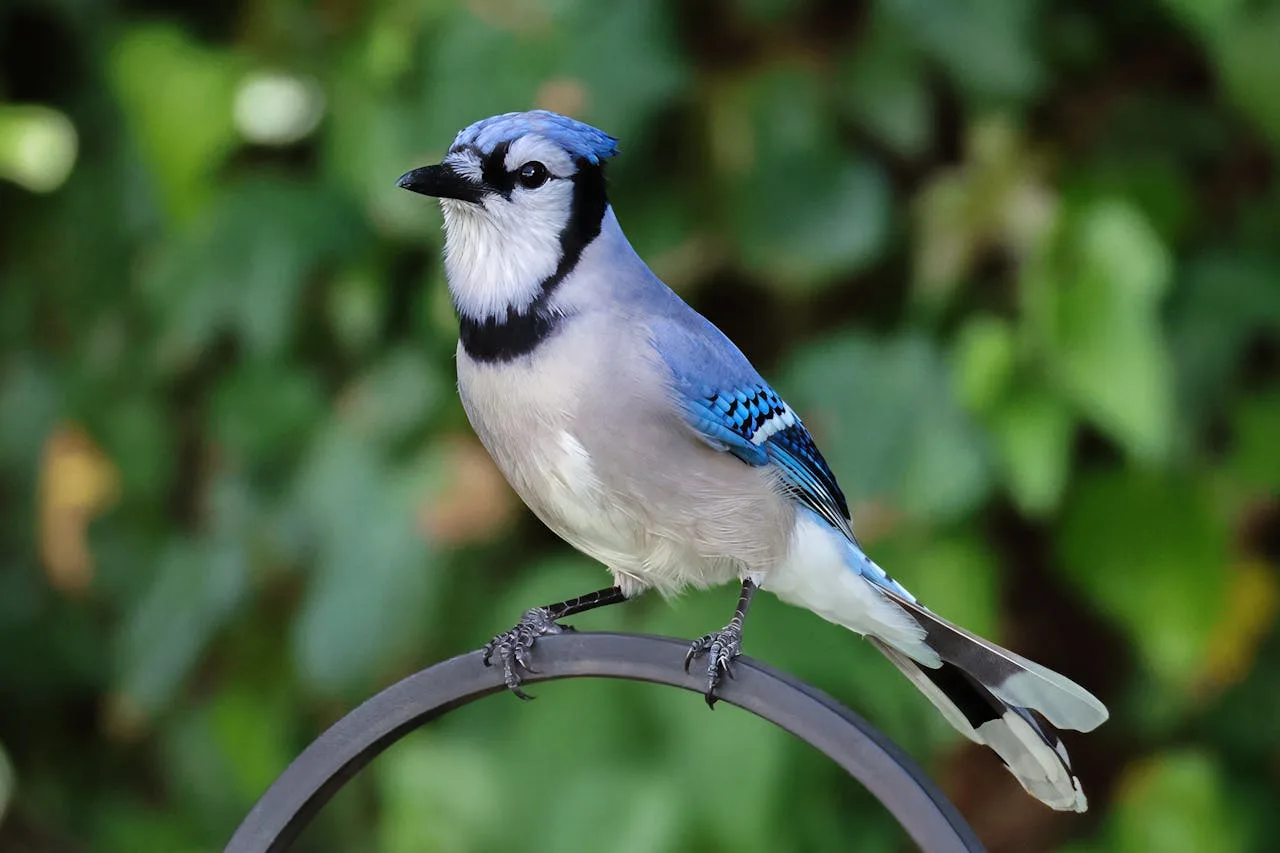
The Blue Jay is a beautiful and iconic bird that can be found in many parts of North America. Birdwatchers worldwide are fascinated by these feathery friends and seek out opportunities to observe them. But do these birds migrate? The answer may surprise you! While some Blue Jays do migrate, others remain in the same area year-round. In this article, we’ll explore the migration patterns of Blue Jays and how they differ from other species. We’ll also discuss why some Blue Jays migrate and why others stay put. By the end, you’ll have a better understanding of this fascinating bird and its unique behavior. What is a Blue Jay? Blue Jays are medium-sized songbirds that belong to the Corvidae family. They have a distinctive blue and white plumage, with a black head and neck. Blue Jays are found across most parts of North America but they do not like the dry, hot areas of south western America and Mexico.They congregate in small groups and prefer wooded areas, but can also be found in suburban and urban settings. As seen in the distribution chart below, they are sighted all year round. Migration patterns of the Blue Jay Migration can be beneficial for these birds, but it also comes with its own set of challenges. By understanding the migration patterns of Blue Jays, we can better appreciate this species and its unique behavior. Why do some Blue Jays migrate? Blue Jays migrate for a variety of reasons. One of the main motivations is to find food sources that are more abundant in other areas. During the winter months, many food sources become scarce, so migrating birds can find better sources of sustenance elsewhere. Additionally, some Blue Jays may migrate in order to breed in different areas or to avoid harsh weather conditions.
The Blue Jay is a beautiful and iconic bird that can be found in many parts of North America.